Getting Less for the Same Loonie: How to Spot Shrinkflation on Canadian Store Shelves
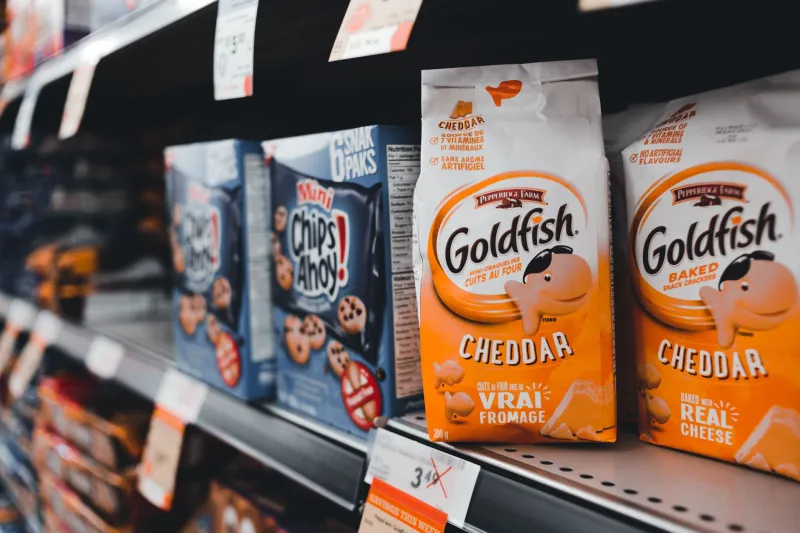
You didn't imagine it. That box of cereal sitting in your pantry? It probably weighs less than it did two years ago. The orange juice carton that used to be 1.75 litres is now 1.54 litres — same shelf, same brand, same price. This is shrinkflation, and it's quietly draining Canadian grocery budgets from coast to coast.
While inflation gets all the headlines, shrinkflation flies under the radar precisely because nothing looks different at checkout. The price tag stays put. The packaging barely changes. But the product inside? That's a whole other story.
What Exactly Is Shrinkflation?
Shrinkflation is when a manufacturer reduces the size, weight, or volume of a product while keeping — or even raising — the price. It's not technically illegal. Companies aren't obligated to loudly announce that their 200g chocolate bar is now 175g. They'll often quietly update the weight in small print on the back of the package and move on.
For shoppers, the result is the same as a price hike — you're just paying more per gram, per millilitre, or per sheet of toilet paper. The difference is that a price increase is obvious. Shrinkflation is designed not to be.
In Canada, this practice has accelerated since 2021. Supply chain disruptions, rising ingredient costs, and currency pressures have pushed many brands to shrink their way out of a cost crunch rather than risk losing customers with a visible price bump.
Which Canadian Products Are the Worst Offenders?
Shrinkflation shows up everywhere, but a few categories are particularly notorious:
Snack foods and cereals — Chip bags have long been the poster child for this practice. Brands like Lay's and Ruffles have reduced net weights multiple times over the past decade while keeping bags roughly the same size (thanks to generous amounts of air). Popular cereal boxes have also quietly shrunk, with some formats dropping 10–15% in net weight.
Household cleaners and detergents — Laundry detergent is a big one. Several major brands sold at Canadian retailers like Walmart and Loblaws have reduced their load counts — from 64 loads to 60, or 80 loads to 72 — without changing the bottle size or price significantly.
Dairy and juice — Orange juice, yogurt, and even some cheese products have seen portion reductions. The shift from 2L to 1.89L juice cartons is now so widespread it barely registers, but that's nearly a full glass of juice you're no longer getting.
Paper products — Toilet paper and paper towel brands have become infamous for reducing sheet counts, sheet sizes, and ply thickness simultaneously. Some Canadian shoppers have taken to measuring their rolls — and the results are not flattering for the brands involved.
How to Calculate the Real Cost Per Unit
The single most powerful weapon against shrinkflation is a number most shoppers never check: the unit price.
Most Canadian grocery stores are required to display unit pricing on shelf labels — that's the cost per 100g, per litre, per sheet, or whatever makes sense for the product. Get in the habit of reading that number instead of the total price.
Here's a simple mental check you can do in the aisle:
- Note the unit price of the product you normally buy.
- Compare it to the store brand or a competing brand.
- Check if the unit price has changed since your last shop (some stores update this regularly).
If you want to go deeper, keep a running note on your phone of unit prices for your most-purchased items. When the unit price jumps but the shelf price stays the same, you've just caught shrinkflation in action.
Practical Ways to Push Back
Switch to store brands. President's Choice, No Name, Compliments, and Great Value (Walmart Canada) don't always shrink at the same pace as national brands — and they're often better value to begin with. Many Canadians who've made the switch report little to no quality difference on staple items.
Buy from bulk bins. Bulk Barn and similar retailers charge by weight, which means you're always paying for exactly what you get. There's no packaging to hide behind and no illusion of value.
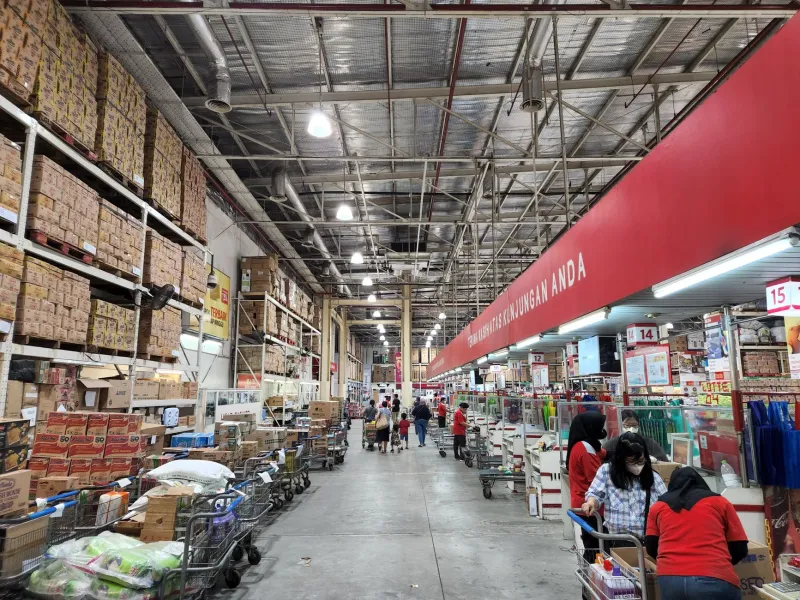
Shop at ethnic grocery stores. Many independent South Asian, East Asian, Caribbean, and Middle Eastern grocery stores in Canadian cities carry large-format products at competitive unit prices. They're often slower to adopt the shrinkflation playbook than major chains.
Use flyer apps to track real value. Apps like Flipp let you compare prices across Canadian retailers. When combined with unit pricing awareness, you can spot genuine deals versus deals that just look good on the surface.
Stock up when sizes are genuinely large. Costco and similar warehouse retailers don't always beat regular grocery unit prices, but for certain products — particularly household staples — the larger format genuinely delivers more per dollar.
Don't Let the Package Fool You
Brands invest heavily in making packaging feel the same even when the contents aren't. Taller bottles with thicker bases, bags with more air, boxes with bigger inner flaps — these are all design tricks used to maintain the illusion of the same product.
The next time something runs out faster than expected, don't assume you're using more of it. Flip the package over and check the weight. Then check what it was the last time you bought it. Chances are, you'll find the real explanation.
Shrinkflation isn't going away anytime soon. But Canadian shoppers who know how to read a shelf label and compare unit costs are already one step ahead of it. At iCanada Deals, we're all about making sure your dollar stretches as far as it possibly can — and that starts with knowing exactly how much you're actually getting.