Split the Pallet, Keep the Savings: The Rise of Group Buying in Canadian Neighbourhoods
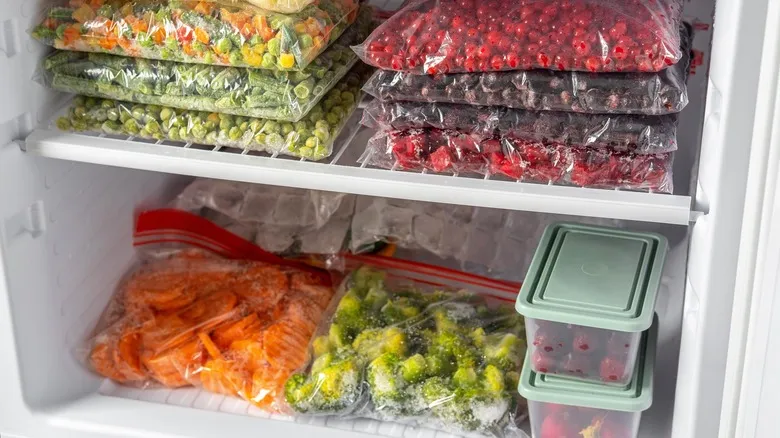
Photo: friends splitting bulk groceries boxes in garage freezer bags, via www.housedigest.com
There's a quiet revolution happening in Canadian driveways. It looks like a split order of chicken breasts divided into freezer bags. It sounds like six coworkers arguing over who keeps the box of diapers. And it's saving participants anywhere from 20 to 50 percent off retail.
Group buying — pooling orders with friends, neighbours, or online communities to hit wholesale quantities — is one of the most underused savings tools in the country. Here's how it works, and how to run one without losing friends.
Why Group Buying Works in Canada
Bulk pricing is a volume game. A 40-pound case of chicken thighs from a warehouse club might cost 30 percent less per kilo than the family-pack at your local Loblaws banner — but who needs 40 pounds of chicken? Split it five ways and suddenly the wholesale price is accessible to everyone.
The math is similar for farm-direct meat orders, restaurant supply purchases, and even wholesale produce from markets like the Ontario Food Terminal or Vancouver's wholesale district. The barrier has never been the price — it's the quantity. Group buying removes that barrier.
There's a bonus, too: fewer shopping trips, fewer delivery fees, and less packaging waste per household. For rural Canadians especially, where the nearest major grocery store might be an hour away, a coordinated monthly order can be a genuine game-changer.
The Categories That Save the Most
Not everything is worth pooling. Based on what consistently delivers:
- Meat and seafood: Farm-direct beef and pork shares, or split warehouse cases, regularly save 25 to 40 percent versus grocery retail. Freezer space is the only limit.
- Diapers and formula-adjacent baby goods: Sizes change fast, but bulk cases split among three families with kids the same age can save hundreds a year.
- Produce in season: A flat of peaches from a Niagara or Okanagan farm is cheap per unit — if you can use a whole flat. Four families can.
- Household staples: Paper products, laundry detergent, and trash bags at warehouse pricing, split, beat sale prices at most supermarkets.
- Electronics — with caution: A group of coworkers splitting a multi-pack of accessories or coordinating a bulk order from a distributor can save, but warranties and returns get messy. Only pool purchases where each person's item is individually packaged and separately receipted.
How to Organize a Buy That Doesn't Implode
The savings are real, but so are the disputes. Veteran group-buy organizers follow a few golden rules:
Put it in writing — even casually
A shared note or group chat message listing who's in, what they're taking, and the per-person total prevents 90 percent of arguments. Nobody needs a contract; everybody needs clarity.
Collect money before you order
The number one killer of group buys is the person who backs out after the order ships. Collect e-transfers upfront. If someone flakes, their share is already covered.
Assign one buyer, one splitter
Rotating responsibility sounds fair but breeds chaos. One person places the order; the group meets to divide it. Take photos of the split for the record.
Start small
Your first buy should be low-stakes — a produce order, a paper goods run. Save the half-cow purchase for a group that's proven it can split a flat of peaches without drama.
Where Canadians Are Finding Their Groups
- Facebook neighbourhood groups and community pages are the most common gathering spots — search your subdivision or condo building plus 'group buy.'
- Workplace group chats work brilliantly for non-perishables and electronics accessories.
- Cultural and religious communities have long traditions of shared bulk purchasing, particularly around holiday cooking.
- Formal co-ops, like the many food co-ops across the Prairies and Atlantic Canada, offer the group-buy model with built-in structure if informal feels intimidating.
Watch-Outs Before You Dive In
- Food safety: Only split perishables if you can refrigerate or freeze them promptly. A cooler with ice packs in the trunk is your friend.
- The 'organizer discount' question: It's common and fair for the person doing the ordering and hauling to get a small break on their share — just agree on it openly.
- Reselling rules: Buying wholesale to resell to strangers is a different beast with tax and regulatory implications. Keep it among genuine co-purchasers.
The Bottom Line
Bulk pricing shouldn't be a privilege reserved for people with chest freezers and minivans. Pool your orders, split the pallet, and watch a wholesale price land in your budget for the first time. Start with one flat of strawberries this summer — you'll be surprised how quickly the neighbours want in.